
What is the difference between therapy and friend’s advice
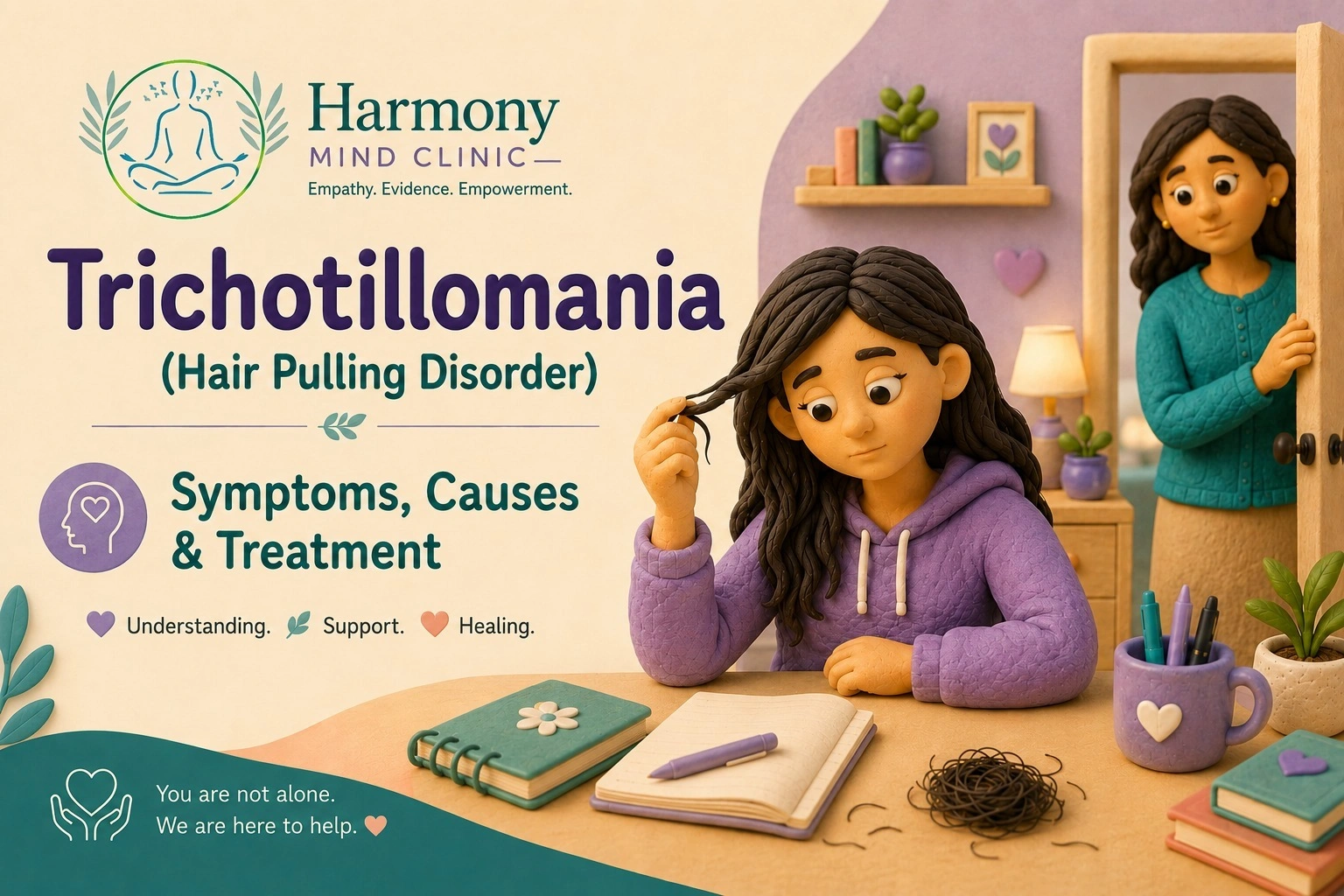
Trichotillomania, also known as ‘hair-pulling disorder’, is a health issue where people have a really strong urge to pull out their own hair. This can happen on their scalp, eyebrows, eyelashes, beard or other parts of their body. Sometimes people might pull out their hair without even thinking about it! When it happens all the time it can cause some serious health issues. They might lose a lot of hair and this may lead to low self confidence. It can affect their daily life.
Knowing what trichotillomania is, what causes it, how to treat it can really help people get the support they need and feel better.
What Is Trichotillomania?
Trichotillomania is a type of health issue that is related to Obsessive-Compulsive Disorders. It is listed in the Diagnostic and Statistical Manual of Mental Disorders, which is called the DSM-5 for short. People who have trichotillomania often feel stressed, anxious, bored or overwhelmed before they pull out their hair. They might feel a little better after they do it.
Approximately 0.5% of the general population suffers from Trichotillomania, making it more common than what many people think. The usual age group is around 12 to 20 years of age. This problem usually starts when people are teenagers. It can happen at any age. If people do not get help, it can be a long-term problem that affects how they feel about themselves.
Symptoms of Trichotillomania
The signs of hair-pulling disorder can be different for each person. Some common things that people with Trichotillomania might experience include the following:
Pulling out hair from their scalp, eyebrows, eyelashes or other parts of their body over and, over
Hair loss or bald spots
Trying to stop pulling out their hair but not being able to
Feeling really anxious stressed before pulling out their hair. It has been shown that around 79% of adults with trichotillomania have at least one other mental health disorder.
Causes of Trichotillomania
The exact cause of Trichotillomania is not really known. Some things may contribute to it.
- Genetic Factors
If someone in your family has Trichotillomania or other problems like compulsive disorder or anxiety disorders, you may be more likely to get Trichotillomania.
- Brain Function Differences
There are some parts of the brain that help us control our impulses and emotions. These parts of the brain may work differently in people with Trichotillomania.
- Stress and Emotional Triggers
When we are stressed or feeling anxious or lonely or bored, we may start pulling our hair out.
Treatment Options for Trichotillomania
There are things that can help people with Trichotillomania.
Medicines
Doctors may give people medicine to help with anxiety or depression or compulsive symptoms that are contributing to their Trichotillomania.
Stress Management Techniques
Doing things like mindfulness or meditation or yoga can help people with Trichotillomania feel less stressed and less likely to pull their hair out.
Family and Emotional Support
Having support from family and friends and mental health professionals can really help people with Trichotillomania get better.
At Harmony Mind Clinic, we often get patients (mostly females) suffering from this frustrating health issue. We take a detailed health history, genetic history, do clinical examination and advise necessary blood tests, psychological tests and then make a tailored plan accordingly.
Conclusion
If someone’s hair pulling is causing them a lot of problems, like they are losing a lot of hair or feeling really upset or having trouble doing everyday things, they should get help from a professional. Getting help can make a big difference and help people with Trichotillomania feel better in the long run. At Harmony Mind Clinic there are people who can help with Trichotillomania. They can give people the help they need to manage their Trichotillomania and live more confident lives.
References:
- Grant JE, Dougherty DD, Chamberlain SR. Prevalence, gender correlates, and co-morbidity of trichotillomania. Psychiatry Res. 2020 Jun;288:112948. doi: 10.1016/j.psychres.2020.112948. Epub 2020 Apr 18. PMID: 32334275; PMCID: PMC7212053.
- Grant JE. Trichotillomania (hair pulling disorder). Indian J Psychiatry. 2019 Jan;61(Suppl 1):S136-S139. doi: 10.4103/psychiatry.IndianJPsychiatry_529_18. PMID: 30745687; PMCID: PMC6343418.
Reach out today.
📍 19th Floor, Panchratna Building, 1908 A, near Opera House, Charni Road, Opera House, Girgaon, Mumbai, Maharashtra 400004
📞 Call us at +919326652219
🌐 Visit harmonymindclinic.com


Visiting Hours
Harmony Mind Clinic
-
Mon - Sun :
24/7 hrs
Online consultation
Whole Week :
24/7 hrs

© 2026 Copyright : Harmony Mind Clinic | Managed by Owl Prime