
Best Dementia Treatment in Mumbai
- Comprehensive cognitive assessment and early diagnosis
- Personalized treatment plans to manage memory loss and confusion
- Safe, compassionate, and supportive environment
- Therapeutic sessions to enhance mental function and daily living skills
- Continuous monitoring and long-term care for improved quality of life
How It Works
- Step 1: Schedule a confidential consultation with our dementia specialist
- Step 2: Comprehensive cognitive and neurological assessment
- Step 3: Personalized treatment and care plan (therapy, medication, or lifestyle support)
- Step 4: Regular therapy sessions and memory support programs
- Step 5: Continuous monitoring and long-term care for quality living

Benefits of Our Dementia Treatment
- Comprehensive diagnosis and personalized treatment planning
- Improved memory retention and cognitive function
- Enhanced communication skills and social interaction
- Support for managing daily activities and independence
- Minimized behavioral challenges and agitation
- Tailored interventions for long-term care and safety
Meet Our Experts
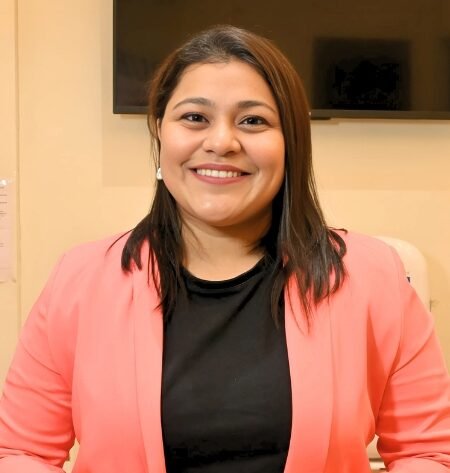
Dr. Mauni Nagda
Consultant Psychiatrist
MBBS, MD, DNB, PDF
Dr. Mauni Nagda is a dedicated and compassionate psychiatrist with extensive expertise in mental health care.
Education
- MBBS, MD Psychiatry: Nair Hospital, Mumbai.
- DNB Psychiatry: Diplomate of National Board.
- Postdoctoral Fellow: KEM Hospital, Mumbai.
- Certified Psychotherapist (CBT, Beck Institute, USA)
Dr. Sagar Bhalke
Consultant Psychiatrist
MBBS, MD, DNB, PDF (CAMH)

Dr. Sagar Bhalke is a compassionate and skilled psychiatrist with a specialization in child and adolescent mental health. With over six years of experience, he is known for his empathetic approach, comprehensive care, and dedication to advancing mental health services in different communities.
Education
- MBBS, MD Psychiatry: Nair Hospital, Mumbai
- DNB Psychiatry: Diplomate of National Board
- Postdoctoral Fellow (Child and Adolescent Mental Health): Nair Hospital, Mumbai
- Certified Psychotherapist (CBT, Beck Institute, USA)
Why Choose Harmony Mind Clinic?
- Expert team of addiction psychiatrists, therapists & counselors
- Customized outpatient and inpatient programs
- Strict confidentiality and stigma-free care
- Family involvement and aftercare planning
- Focus on emotional, social, and physical recovery
Testimonials
Dr. Mauni Nagda is very kind and understanding. Harmony Mind Clinic helped us manage memory problems in a calm and professional way. Highly recommended.
- Meena Joshi -Excellent dementia treatment at Harmony Mind Clinic. Dr. Sagar Bhalke guided us well and helped improve daily care and routines.
- Ritu Sharma -FAQ
Dementia is a general term used to describe a decline in cognitive abilities severe enough to interfere with daily life. It affects memory, thinking, language, and sometimes changes in behavior. Alzheimer’s disease is the most common cause of dementia, but there are other types, such as vascular dementia, Lewy body dementia, and frontotemporal dementia.
Currently, there is no cure for dementia. However, treatment options are available to manage symptoms, slow progression, and improve quality of life. The focus is often on alleviating symptoms and supporting the person with dementia and their caregivers.
A doctor will conduct a thorough medical history, physical examination, and cognitive tests. They may also use imaging techniques like MRI or CT scans to rule out other conditions. A diagnosis of dementia is often based on cognitive decline that affects daily functioning, as well as ruling out reversible causes of memory problems (e.g., vitamin deficiencies, thyroid issues).
As dementia progresses, it often becomes difficult for individuals to live independently. Early-stage dementia patients may still manage daily tasks but may need assistance with certain activities. As the disease progresses, more care and supervision may be required. Support services such as adult day programs, in-home care, and memory care facilities can provide help.
Family members often play a key role in supporting the person with dementia. They may assist with daily tasks, ensure safety, and manage appointments and medications. Additionally, they are vital in making decisions about treatment options, care plans, and end-of-life care when necessary.
Cognitive therapies, physical exercise, and structured routines can help.
Art, music, and reminiscence therapies improve mood and cognitive function.
Current treatments slow progression but don’t cure dementia. Research into immunotherapies and gene therapy shows promise.
Resources like the Alzheimer’s Association, local support groups, and online forums can provide guidance and emotional support.
Contact Us
Support your loved one’s memory and well-being. Schedule a compassionate dementia care consultation at Harmony Mind Clinic today.
Phone: +91- 9326652219
We consulted Dr. Sagar Bhalke at Harmony Mind Clinic for dementia care. He explained everything clearly and supported our family with patience and compassion. Very satisfied with the treatment.
- Ashok Deshmukh -