
Digital Depression: How Social Media Algorithms Affect Your Mood
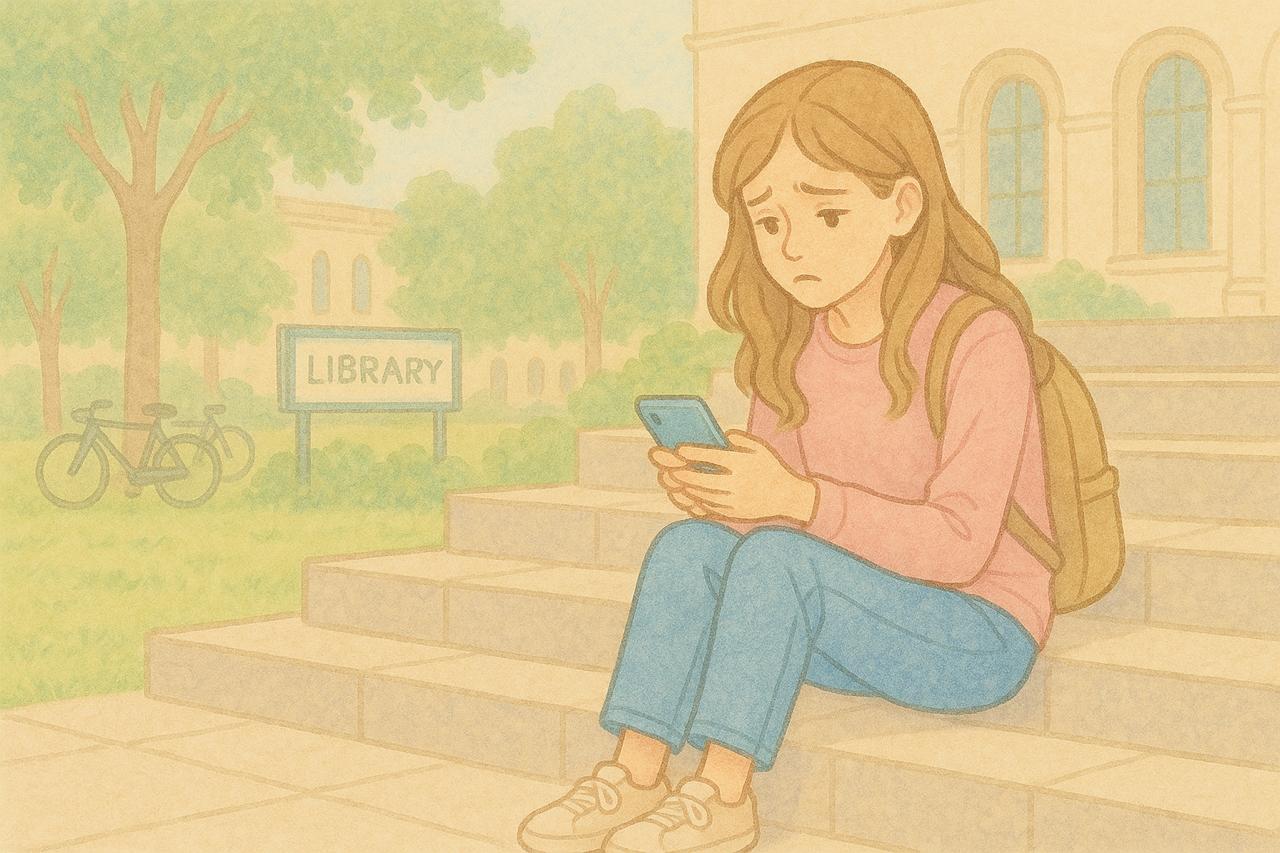
In the world today, which is very connected, social media has turned into a daily activity that is really hard to separate. Instagram Reels and Twitter trends are among the main platforms that have a huge impact on the way our brain thinks, feels, and communicates with others. However, the digital world’s quiet depression flows through the likes, shares, and comments. Modern studies point out that the social media algorithms are the ones who have the strongest impact on your feelings, concentration, and even your mood’s stability.
At Harmony Mind Clinic , we realize the strong link between tech and mental health. First, let us find out how these algorithms work in changing your mood; then, we will talk about what you could do to get back your emotional balance.
What Is Digital Depression?
Digital depression is the sadness, anxiety, and lack of self-esteem affecting the majority of people today and caused by the overuse of social media. In contrast to the classic form of depression, it has its roots in the process of comparing oneself with others online, being overwhelmed by the amount of information, and the feeding of negative feelings through content suggested by algorithms. The different social media platforms implement unique algorithms customized for each user to maintain their interest by revealing posts charged with emotions or idealized ones that misrepresent reality and thus affect the user’s self-worth.
How Social Media Algorithms Affect Your Mood
1.The Comparison Trap
The use of algorithms to display perfect lives and luxurious experiences has the main effect of comparing people, making them doubt themselves, and making them feel either less worthy or in an inferior position.
- Dopamine Dependency
Receiving likes and notifications is like a drug that releases dopamine, leading to addiction and anxiety when one’s online engagement or approval lowers.
- Echo Chambers of Negativity
With the help of algorithms, negative content will always be around you as long as you are engaging with it; this will gradually build up your negative thinking and emotional suffering.Some statistics: Adolescents spending more than 3 hours/day on social media had ~60–78% higher risk of internalizing problems. (1)
Across a very large population sample (≈ 2.4 lakh), higher screen time is a statistically significant predictor of future depressive symptoms — suggesting a population-level effect. (2)
- Sleep and Concentration Issues
Nightly social media scrolling interferes with melatonin production, which affects sleep quality and has a resultant weakening of concentration, thus causing one to suffer from emotional imbalances and fatigue. It also makes the person irritable the next day due to lack of sleep.
Ways to Protect Your Mental Health Online
Set Time Limits: App timers can be used to set limits for daily social media usage.
Curate Your Feed: Allow pages that encourage positivity, education and mindfulness to your feed.
Engage willfully: Before you click like or share, think about whether it truly helps your well-being.
Practice Mindfulness: Use meditation or journaling instead of fate moving.
Conclusion
At Harmony Mind Clinic, the experts are well versed in the modern reasons for emotional pain, among which are the addiction to technology and anxiety related to social media, and they deal with these problems to the fullest. Getting back mental health and emotional balance is the result of our programme of calm, personal therapy, mindfulness training and lifestyle counselling.
Just keep in mind that your mind/brain is worthy of the same care and the same attention that you give to your digital presence. Disconnect to reconnect — and recover peace beyond the process.
Author:
Dr Mauni Nagda (MBBS, MD, DNB, PDF Deadd)
REFERENCES:
- Riehm KE, Feder KA, Tormohlen KN, et al. Associations Between Time Spent Using Social Media and Internalizing and Externalizing Problems Among US Youth. JAMA Psychiatry. 2019;76(12):1266–1273. doi:10.1001/jamapsychiatry.2019.2325
- Li L, Zhang Q, Zhu L, Zeng G, Huang H, Zhuge J, Kuang X, Yang S, Yang D, Chen Z, Gan Y, Lu Z, Wu C. Screen time and depression risk: A meta-analysis of cohort studies. Front Psychiatry. 2022 Dec 22;13:1058572. doi: 10.3389/fpsyt.2022.1058572. PMID: 36620668; PMCID: PMC9815119.
Reach out today.
📍 19th Floor, Panchratna Building, 1908 A, near Opera House, Charni Road, Opera House, Girgaon, Mumbai, Maharashtra 400004
📞 Call us at 9326652219
🌐 Visit harmonymindclinic.com


© 2025 Copyright : Harmony Mind Clinic | Managed by Owl Prime